Simple Ways to Remove and Control Algae in Your Pond
Pond cleaning methods for algae buildup usually include removing debris, improving water flow, balancing nutrients, and using safe treatments. Green water, string algae, or thick mats on the surface are signs your pond needs attention. With the right steps, you can clear the water and slow future growth without harming fish or plants.
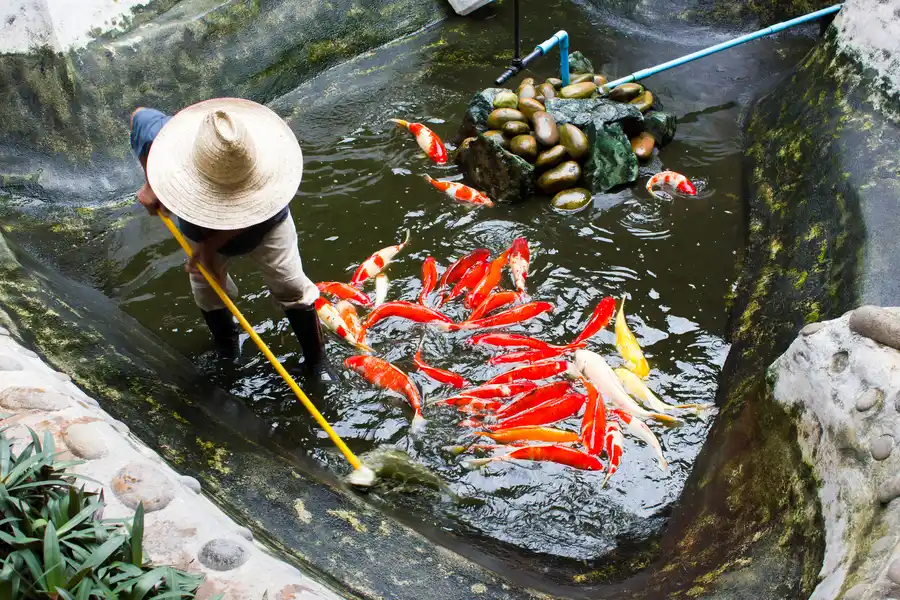
What You Need Before Starting
Before you begin any pond cleaning project, gather basic tools and supplies. Having everything ready saves time and keeps stress low for your fish.
- Pond net or skimmer
- Rubber gloves
- Bucket or debris container
- Pond vacuum (if available)
- Algae-safe treatment product
- Garden hose with spray nozzle
- Water test kit
If your pond has a pump or filter, check that it is working. Good circulation plays a big role in algae control. Stagnant water gives algae a place to grow fast.
Step-by-Step Process to Remove Algae
Follow these steps to safely remove buildup and improve water clarity.
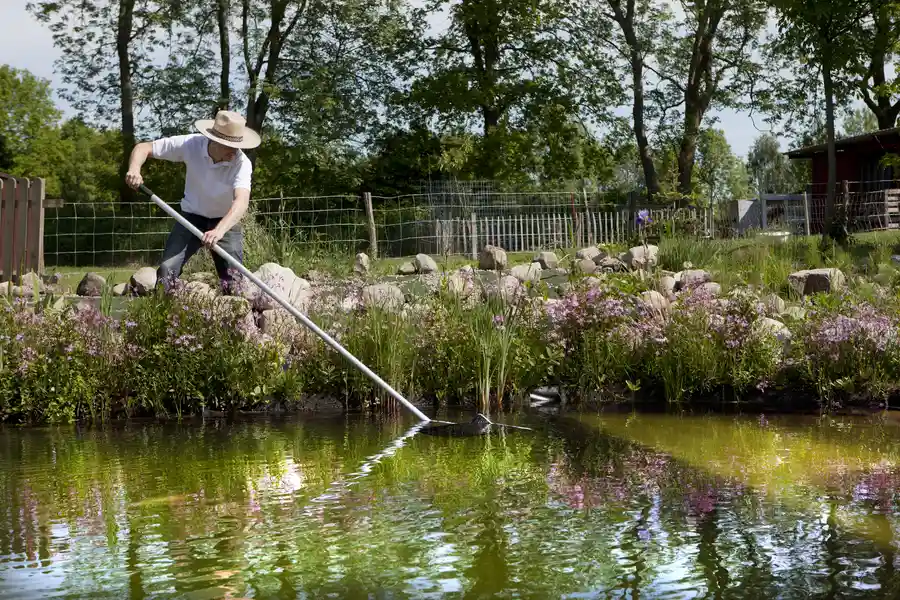
- Remove surface debris. Use a net to scoop out leaves, sticks, and floating algae. Organic waste feeds algae growth.
- Trim nearby plants. Cut back overhanging branches or dead aquatic plants. Less decay means fewer nutrients in the water.
- Vacuum the pond bottom. If you have a pond vacuum, remove sludge from the bottom. This sludge breaks down and feeds algae blooms.
- Clean the filter. Rinse filter pads with pond water, not tap water. Tap water can kill helpful bacteria.
- Test the water. Check pH, ammonia, and nitrate levels. High nutrients often lead to green water.
- Apply algae treatment if needed. Choose a product labeled safe for fish and plants. Follow label directions carefully.
- Increase aeration. Add an air stone or adjust your waterfall to boost oxygen levels.
These pond cleaning steps help remove both visible algae and the conditions that allow it to grow.
Common Mistakes to Avoid
Many pond owners make simple mistakes that cause algae to return quickly.
- Draining the entire pond too often
- Overfeeding fish
- Adding too many fish for the pond size
- Ignoring the filter system
- Using harsh chemicals not made for ponds
Draining a pond may seem like a quick fix, but it can shock fish and remove helpful bacteria. Overfeeding fish is another common issue. Uneaten food sinks and breaks down, which feeds algae blooms.
When to Call a Professional
Some algae problems go beyond simple maintenance. Thick string algae that keeps coming back may signal a deeper balance issue. Very cloudy or foul-smelling water can point to heavy sludge buildup.
If your fish are gasping at the surface, acting sluggish, or showing signs of stress, it is time to stop DIY treatments. Large ponds, koi ponds, and decorative water features often need more advanced pond cleaning equipment and experience.
A trained crew can safely drain part of the pond, pressure rinse rock surfaces, remove deep sludge, and restart the biological filter system properly. This type of service falls under professional pond cleaning and can restore water clarity much faster than repeated small fixes.
Final Recommendation and Next Steps
Algae buildup is common, especially during warm months with lots of sunlight. The key is to act early. Remove debris weekly, check filters often, and watch feeding habits. Simple routine pond cleaning can prevent most major blooms.
If algae keeps coming back no matter what you try, it may be time for expert help. In Santa Fe, NM, changing weather and seasonal debris can make ponds harder to manage alone. We provide full pond cleaning services through DS Aquatics. Our team can inspect your pond, clear heavy algae, and rebalance your system safely. Call us at (505) 490-9146 to schedule a visit or ask questions about your pond.